Nobody looks forward to getting a tooth pulled. Whether your dentist recommended it or you’ve been dealing with pain and already suspect it’s coming, the idea of a tooth extraction in Conroe or anywhere can feel overwhelming. That’s completely normal.
The truth is that modern extractions are faster, more comfortable, and far less dramatic than most people imagine. The anxiety almost always comes from not knowing what to expect. So that’s exactly what this guide covers: what happens before, during, and after the procedure, step by step, with no medical jargon and no sugarcoating.
Signs that a tooth extraction may be necessary
Not every toothache leads to an extraction. Dentists consider it only when saving the tooth isn’t a realistic option. Here are the most common reasons a tooth needs to come out.
Severe decay that has reached the root. When a cavity goes untreated for too long, the infection can spread deep into the tooth and into the surrounding bone. At that point, a filling or crown can’t fix it. Extraction prevents the infection from spreading further and protects the teeth around it.
A cracked or fractured tooth below the gum line. Surface cracks can often be repaired with dental crowns. But when the fracture extends below the gum line or into the root, the tooth can’t be saved. Leaving it in place risks infection and damage to the jawbone.
Advanced gum disease. Periodontal disease weakens the bone and tissue that hold teeth in place. When a tooth becomes loose because the supporting structure has deteriorated, extraction may be the only way to prevent further bone loss and protect neighboring teeth.
Overcrowding or preparation for orthodontics. In some cases, teeth are removed to create space for alignment treatment. This is less about a damaged tooth and more about making room for a better overall result.

If you’ve been told you need an extraction, it’s usually because keeping the tooth would create more problems than removing it. Your dentist should explain why — and if you have questions, ask them. Understanding the reason helps the entire process feel less stressful.
How to prepare before your appointment
Preparation is straightforward, but knowing what to do ahead of time makes a real difference in how the day goes.
Share your full medical history. Let your dentist know about any medications you’re taking especially blood thinners, supplements, or anything that affects clotting. Mention any medical conditions like diabetes, heart issues, or autoimmune disorders. This helps the team plan the safest approach.
Arrange your ride home. If you’re receiving sedation or general anesthesia, you won’t be able to drive afterward. Even with local anesthesia only, many patients feel more comfortable having someone else behind the wheel.
Eat a light meal beforehand unless your dentist specifically tells you not to. Having food in your stomach can help if you’re prone to feeling lightheaded. If sedation is planned, you may be asked to fast for a few hours before, which your dental team will confirm when you schedule.
Wear comfortable, loose-fitting clothes. It sounds small, but you’ll be reclined in a chair for a while. Comfort matters.
What happens during the extraction
This is the part most patients worry about, so here’s what actually happens, step by step.
First, the area is numbed. Your dentist applies a topical anesthetic to the gum, followed by a local injection. You’ll feel pressure during the injection, but the numbing takes effect within minutes. Once it kicks in, you won’t feel pain only pressure and movement.
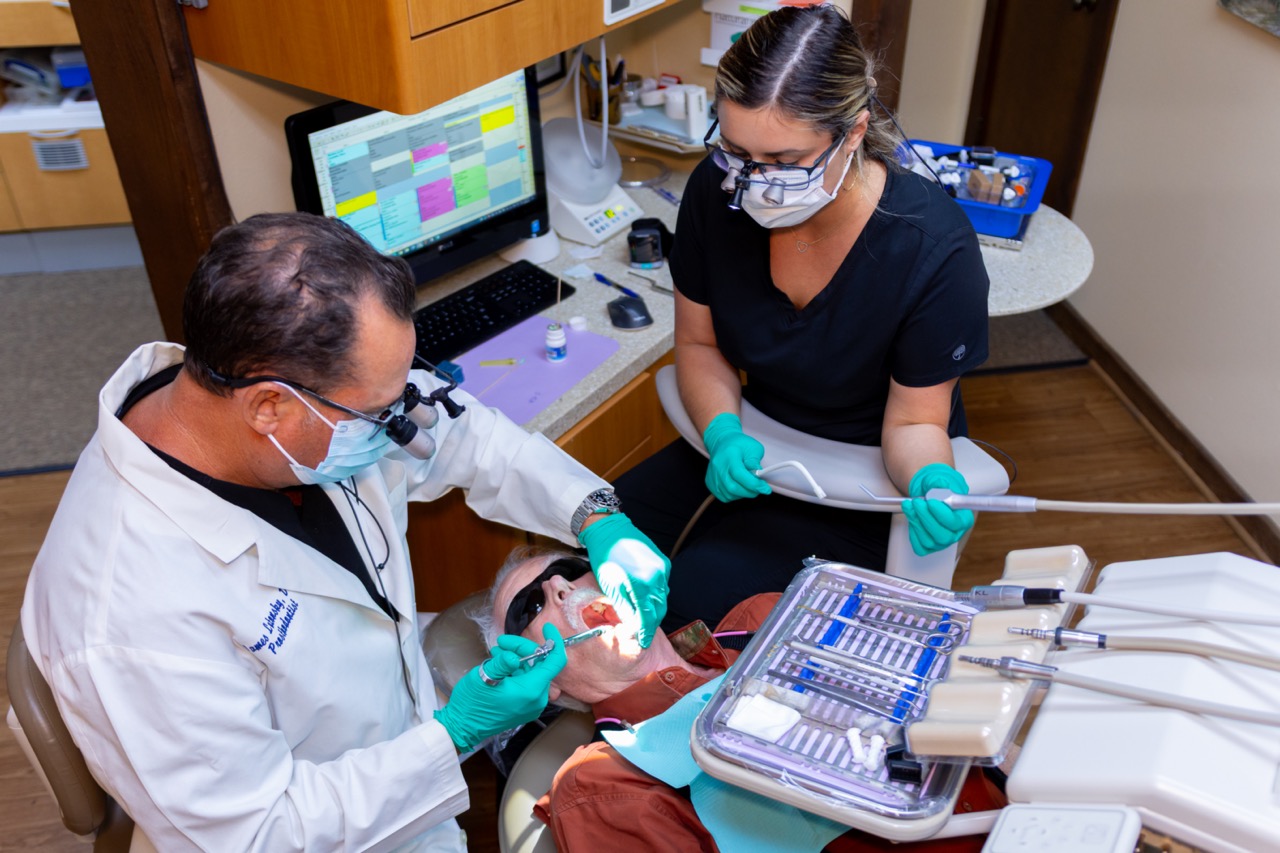
For a simple extraction — where the tooth is visible above the gum line the dentist uses an instrument called an elevator to loosen the tooth, then removes it with forceps. This typically takes just a few minutes. Most patients are surprised by how quick it is.
For a surgical extraction — where the tooth is broken, impacted, or below the gum line the dentist may need to make a small incision in the gum and, in some cases, section the tooth into pieces for easier removal. This takes longer but is still a routine procedure performed under anesthesia.

After the tooth is out, the dentist places gauze over the socket and has you bite down to help form a blood clot. You may receive a few stitches if the area needs it. The entire appointment — including prep, numbing, extraction, and post-care instructions — usually takes 30 to 60 minutes depending on complexity.
Recovery: what the first few days look like
Recovery is where most patients have the most questions. Here’s a realistic timeline.
Day one. Some bleeding is normal for the first few hours. Keep biting on the gauze as instructed, changing it when it becomes soaked. Rest with your head slightly elevated. Apply an ice pack to the outside of your cheek, 20 minutes on, 20 minutes off, to reduce swelling.
Days two to three. Swelling peaks around 48 hours and then begins to subside. Stick to soft foods, yogurt, soup, scrambled eggs, mashed potatoes. Avoid using a straw, the suction can dislodge the blood clot and cause a painful condition called dry socket.
Days four to seven. Most patients feel significantly better by day four or five. You can gradually return to normal eating, starting with softer solid foods. Any stitches that aren’t dissolvable will be removed at a short follow-up visit.
What to avoid: Smoking, alcohol, spitting forcefully, and vigorous rinsing for at least 48 to 72 hours. After that, gentle salt water rinses can help keep the area clean.
When to call your dentist: If bleeding doesn’t slow down after several hours, if you develop a fever, or if pain suddenly worsens after day three (which could indicate dry socket), contact your dental office right away. According to the American Dental Association, most extraction complications are minor and resolve quickly when addressed early.
What comes after the extraction
Once the tooth is out and you’ve healed, there’s an important question to address: what fills the gap?
Leaving a missing tooth space empty can cause neighboring teeth to shift over time, affect your bite, and lead to bone loss in the jaw. Depending on the location and your overall dental health, the most common replacement options include:
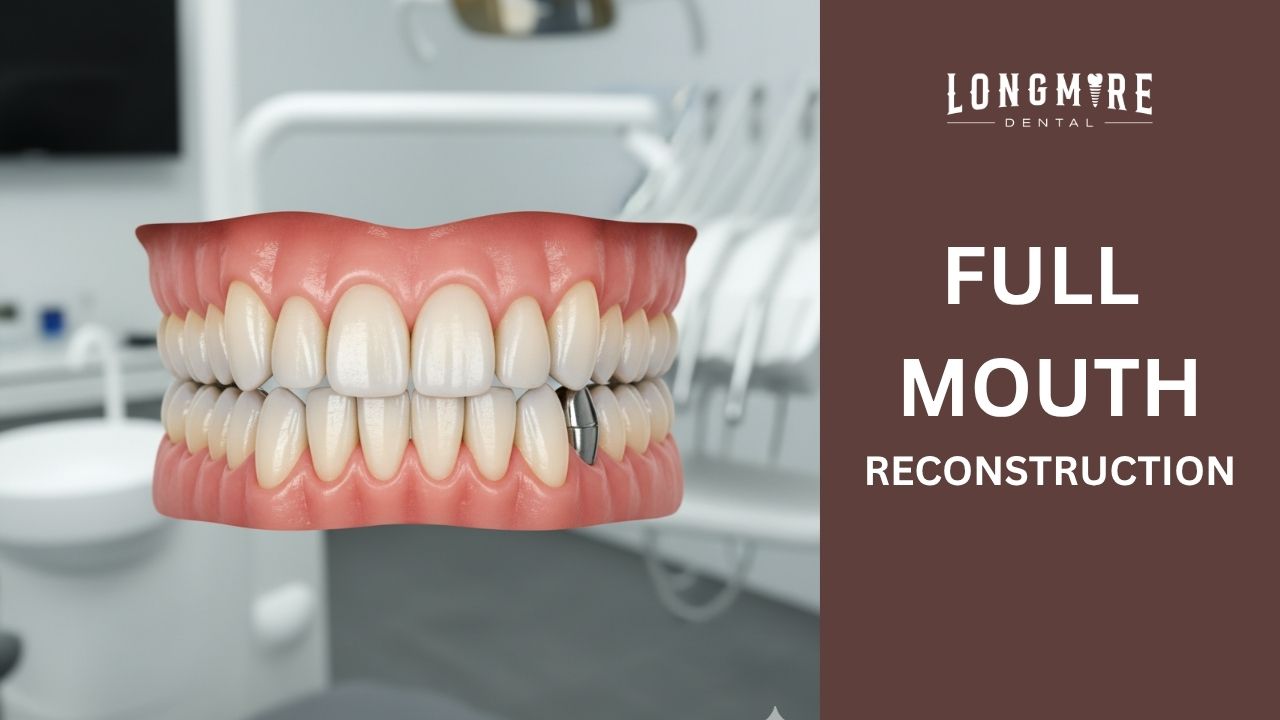
- Dental implants: A permanent, standalone replacement that looks and functions like a natural tooth. Learn more about dental implants at Longmire Dental.
- Dental bridges: A fixed restoration that uses the teeth on either side of the gap to anchor a replacement tooth. See how bridges work.
- Dentures: A partial or full removable replacements for patients missing several teeth. Explore denture options.
Your dentist will discuss these options with you either before the extraction or at your follow-up appointment, depending on the situation. In some cases, a plan for replacement can be set up at the same time as the extraction.
How Longmire Dental handles tooth extractions in Conroe

At Longmire Dental, tooth extractions are one of the most common procedures we perform and we’ve built our approach around making the experience as calm and straightforward as possible.
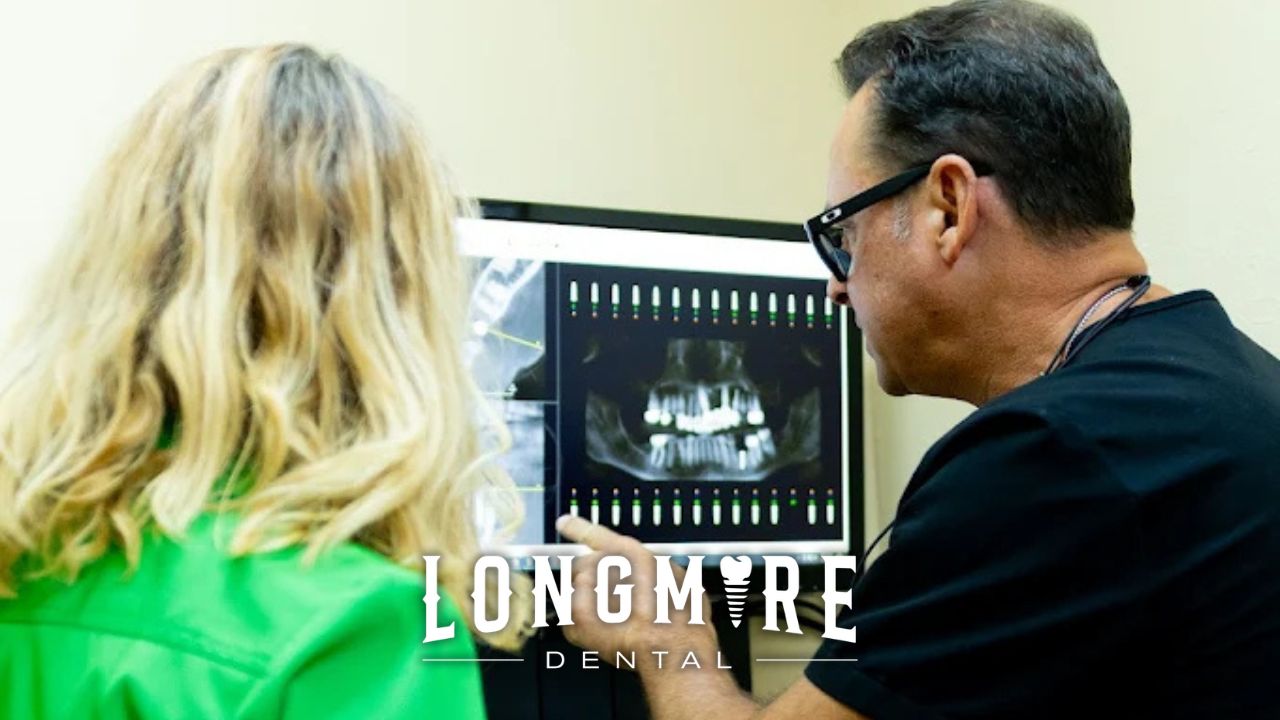
Dr. James Lutonsky has decades of experience in restorative dentistry, including both simple and surgical extractions. Every case starts with a thorough exam and digital imaging so you understand exactly what’s happening and why, before anything begins.
We take the time to explain the procedure, answer every question, and make sure you feel comfortable with the plan. For patients who experience dental anxiety and that’s more people than you might think we discuss sedation options and work at your pace.
Our office is located at 1007 Longmire Rd in Conroe, TX 77304, and we see patients from across the Conroe, Willis, The Woodlands, and Montgomery County area. If a tooth extraction is followed by the need for a replacement, we handle the full treatment path in-house from extraction to implant to final restoration so you’re not bouncing between multiple offices.
Your tooth shouldn’t keep you up at night
If you’ve been told you need an extraction or suspect you might the best thing you can do is get a clear answer. Schedule a consultation and we’ll walk you through your options, honestly and without pressure.
Or call us directly: (936) 756-3633
Monday – Wednesday: 8am to 5pm | Thursday: 8am to 12pm